 how-to
7 Vegan Boxed Lunch Ideas for All-Day Conferences
Last Updated: November 2, 2026
Quick Summary
Vegan boxed lunches work for all-day conferences when you plan each box against the schedule: a light breakfast box, a protein-heavy lunch anchor box, and lighter snack boxes mid-morning and mid-afternoon. Build every box around sturdy grains, firm proteins, and dressings packed on the side, and label each one for allergens.
- Map each box to the event schedule so attendees get steady energy instead of a crash.
- The midday lunch box should carry the most protein, with morning and afternoon boxes lighter.
- Keep cold food at or below 40°F and discard perishable food left out beyond two hours.
- Sort pre-labeled boxes by dietary need so guests self-select and lines move faster.
- Pace snacks mid-morning and mid-afternoon, roughly three hours after breakfast and two hours after lunch.
Table of Contents
- Why Vegan Boxed Lunches Work for All-Day Conferences
- Vegan Boxed Lunch Ideas That Hold Up for Hours
- Conference Catering Menu Planning: Building a Balanced Day
- Dietary Labels for Catered Meals: Getting Allergens Right
- All-Day Conference Snack Ideas and Energy Pacing
- Food Safety and Holding Times for Vegan Boxed Meals
- Ordering Quantities, Service Flow, and Waste Reduction
- Adding an Electricity-Free Vegan Dessert to Your Boxed Lunch Order
- Frequently Asked Questions
Why Vegan Boxed Lunches Work for All-Day Conferences
Vegan boxed lunches can help with a problem many conference planners face in the afternoon: attendees fading, lines stalling, and some of the room unable to eat what's served. A well-built plant-based box can keep energy steady and handle dietary needs in one pass. The trick is planning the box as a full day of food, not a single meal. Below, we'll show you exactly how to build vegan boxed lunches that hold up from the opening keynote to the closing session.
A vegan boxed lunch is an individually packed, plant-based meal with no animal products, designed to stay safe and appetizing for hours without reheating. Done right, it covers protein, produce, and something satisfying in one portable container.
If you want the full planning playbook, our guide on how to plan vegan boxed lunches for corporate events walks through the timeline step by step.
Vegan Boxed Lunch Ideas That Hold Up for Hours
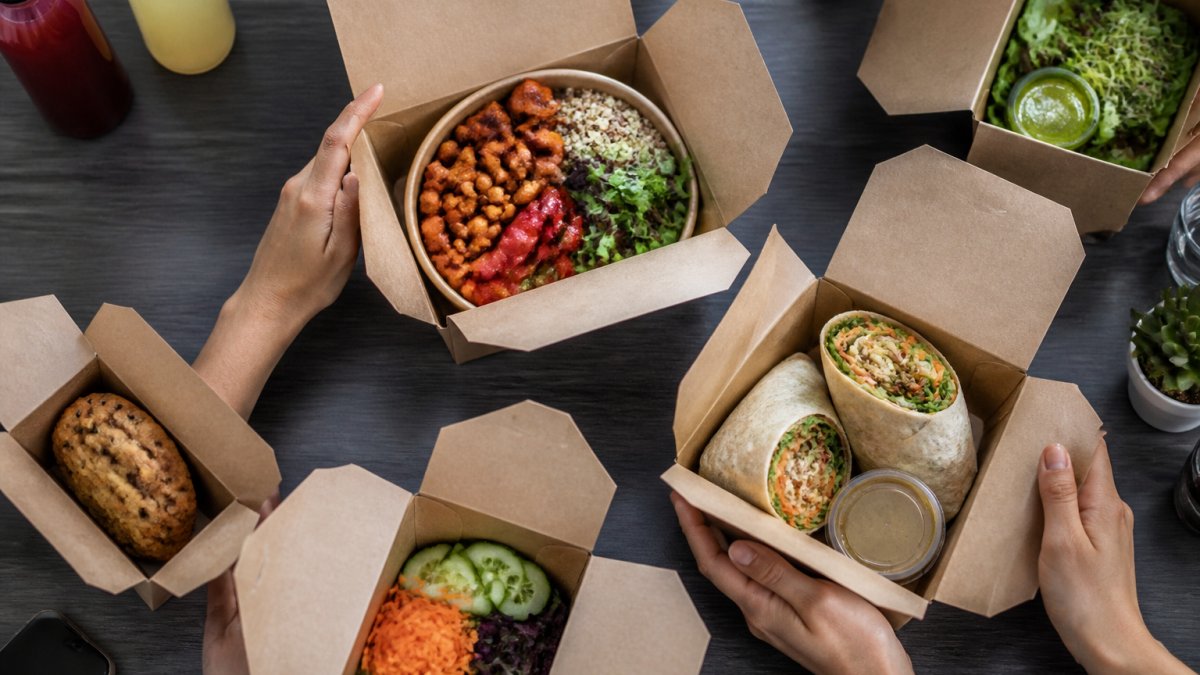
The best vegan boxed lunch ideas share three traits: they travel well, they taste good cold or at room temperature, and they keep their texture for hours. Skip anything that wilts, weeps, or turns to mush. Build around sturdy grains, firm proteins, and dressings packed on the side.
Grain Bowls, Salads, and Non-Sandwich Mains
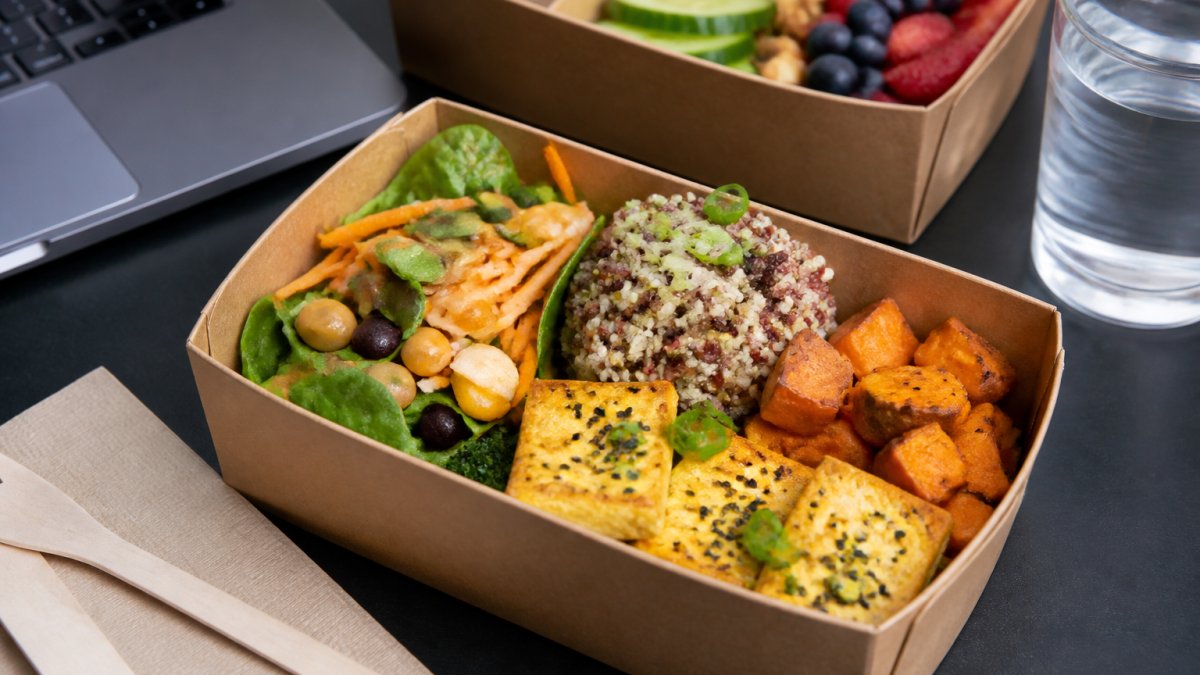
Grain bowls are the backbone of a reliable box. Start with quinoa, farro, or brown rice, then layer on roasted vegetables, chickpeas, and a bright sauce like chimichurri. For non-sandwich mains, consider chana masala, aloo gobi, or a lentil and roasted vegetable mix served over grains.
Wraps, Breakfast Boxes, and Protein-Packed Sides
Wraps work when you keep fillings dry and pack sauces separately. A hummus and roasted vegetable wrap or a black bean and corn wrap both hold up well. Breakfast boxes with overnight oats made with nondairy milk give early arrivals a solid start. Round out every box with protein-packed sides: roasted chickpeas, edamame, or a small tub of hummus.
Conference Catering Menu Planning: Building a Balanced Day
Conference catering menu planning means mapping food to the event schedule, not just filling a box. Morning sessions need lighter, energizing food. Midday needs the heaviest protein. Afternoon needs a lift. Plan each box against the clock so attendees get steady energy instead of a crash.
Here is a working template you can hand to a caterer and adjust by headcount. It assumes a 7:30 a.m. registration and a 5:00 p.m. close.
- Registration (7:30-8:30 a.m.): breakfast box with overnight oats made on nondairy milk, a small container of berries, and two oat-and-date energy bites. Keep it light, attendees are arriving off coffee and a commute.
- Mid-morning break (10:15 a.m.): snack box with roasted chickpeas, citrus segments, and a two-ounce hummus cup with cucumber and carrot sticks. This bridges the gap before lunch so people don't overeat at noon.
- Lunch (12:00-1:00 p.m.): the anchor box. A quinoa or farro grain bowl with chickpeas, roasted red peppers and fennel, a kale or cabbage slaw, dressing on the side, and a small tub of hummus. This is the protein-and-fiber peak of the day.
- Afternoon break (3:00 p.m.): a half-wrap (hummus and roasted vegetable, or black bean and corn) plus edamame and a nut-free trail mix. Lighter than lunch, but enough protein to carry through the closing session.
- Late-day hold (4:30 p.m. onward): a small box of fresh fruit and a few energy bites for anyone staying for Q&A or networking.
Balance each box around three levers: protein (chickpeas, lentils, edamame, hummus, tofu), fiber (whole grains, legumes, vegetables), and a small amount of fat (olive oil dressing, nuts, seeds) to slow digestion. A box that is all vegetables and no protein may leave attendees hungry sooner; a box that is all grains may feel heavy. The midday box should carry the most protein, the morning and afternoon boxes less.
For a broader look at building the whole program, our vegan catering buyer's guide covers supplier questions and menu structure.
Watch out: if your event runs a single track with no scheduled breaks, collapse the mid-morning and afternoon snack boxes into one larger box handed out at registration, and confirm with the venue that attendees can eat in the session room.
Here is the working template for mapping each box to the event schedule.
| Time | Box | What's in it |
|---|---|---|
| 7:30-8:30 a.m. | Breakfast box | Overnight oats on nondairy milk, berries, two oat-and-date energy bites |
| 10:15 a.m. | Snack box | Roasted chickpeas, citrus segments, two-ounce hummus cup with vegetables |
| 12:00-1:00 p.m. | Lunch anchor box | Quinoa or farro grain bowl with chickpeas, slaw, dressing on the side |
| 3:00 p.m. | Afternoon break | Half-wrap, edamame, nut-free trail mix |
| 4:30 p.m. onward | Late-day hold | Fresh fruit and a few energy bites |
Dietary Labels for Catered Meals: Getting Allergens Right
Dietary labels for catered meals are non-negotiable when you feed a crowd with mixed needs. Every box needs a clear label showing what's inside and what it contains. Vegan doesn't mean allergen-free: nuts, soy, wheat, and sesame all show up in plant-based food.
Follow the FDA food allergen guidance on the major allergens when you build labels. Include a short ingredient list on each box, mark the top allergens in bold, and keep a separate nut-free option. Watch out: cross-contact is the real risk, so confirm with your caterer how they handle shared prep surfaces before you promise a guest a safe meal.
All-Day Conference Snack Ideas and Energy Pacing
All-day conference snack ideas should do one job: keep energy level between meals. Heavy snacks cause the afternoon slump you're trying to avoid. Light, protein-forward snacks carry people through.
The practical gap is portioning and timing, so treat each snack box as a small, deliberate meal rather than a handful of extras.
A workable portion target per attendee per snack break is roughly one to two ounces of a protein-forward item (roasted chickpeas, edamame, or a two-ounce hummus cup), one piece of fruit or a half-cup of citrus segments, and a small handful of trail mix or two energy bites.
- Roasted chickpeas or edamame
- Fresh fruit and citrus segments
- Small hummus cups with vegetables
- Trail mix with a nut-free version alongside
- Energy bites made with oats and dates
Pace snacks so they land mid-morning and mid-afternoon, not right after lunch. A common pattern is a 10:15 a.m. break and a 3:00 p.m. break, roughly three hours after breakfast and two hours after lunch.
Pair every snack with water. Put water stations near the snack tables rather than in a separate hallway so people drink when they eat.
Watch out: a nut-free attendee can be exposed by a shared trail-mix scoop or an unlabeled box, so keep nut-free snacks in separate, clearly labeled containers and use dedicated tongs or pre-portioned cups.
Food Safety and Holding Times for Vegan Boxed Meals
Food safety for vegan boxed meals follows the same cold-chain rules as any catered food. Plant-based doesn't mean shelf-stable. Perishable items still need to stay cold. The USDA food safety guidance sets the standard: keep cold food at or below 40°F and don't leave perishable food out beyond two hours.
Practical steps that keep boxes safe:
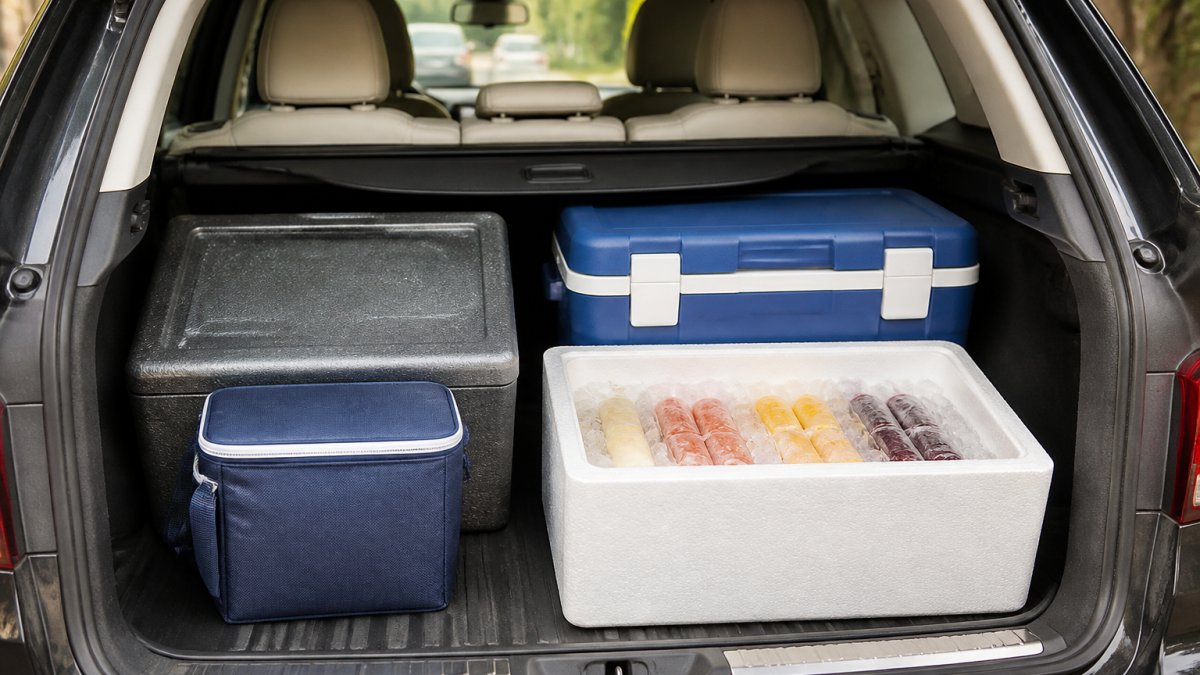
- Pack boxes in insulated containers with ice packs
- Set holding limits and label each box with a pack time
- Keep dressings and sauces chilled until service
- Discard anything that sat out past the safe window
Watch out: an outdoor summer event pushes these limits fast.
Ordering Quantities, Service Flow, and Waste Reduction
Ordering quantities decide whether you run out or throw food away. Service flow matters too: pre-labeled boxes sorted by dietary need move a line faster than a made-to-order station.
When your quantities and flow are set, request a quote to lock in the details.
- Count registered attendees, then subtract typical no-shows
- Add a buffer for walk-ins and staff
- Sort boxes by label so guests self-select fast
- Track what comes back to cut waste next time
Adding an Electricity-Free Vegan Dessert to Your Boxed Lunch Order
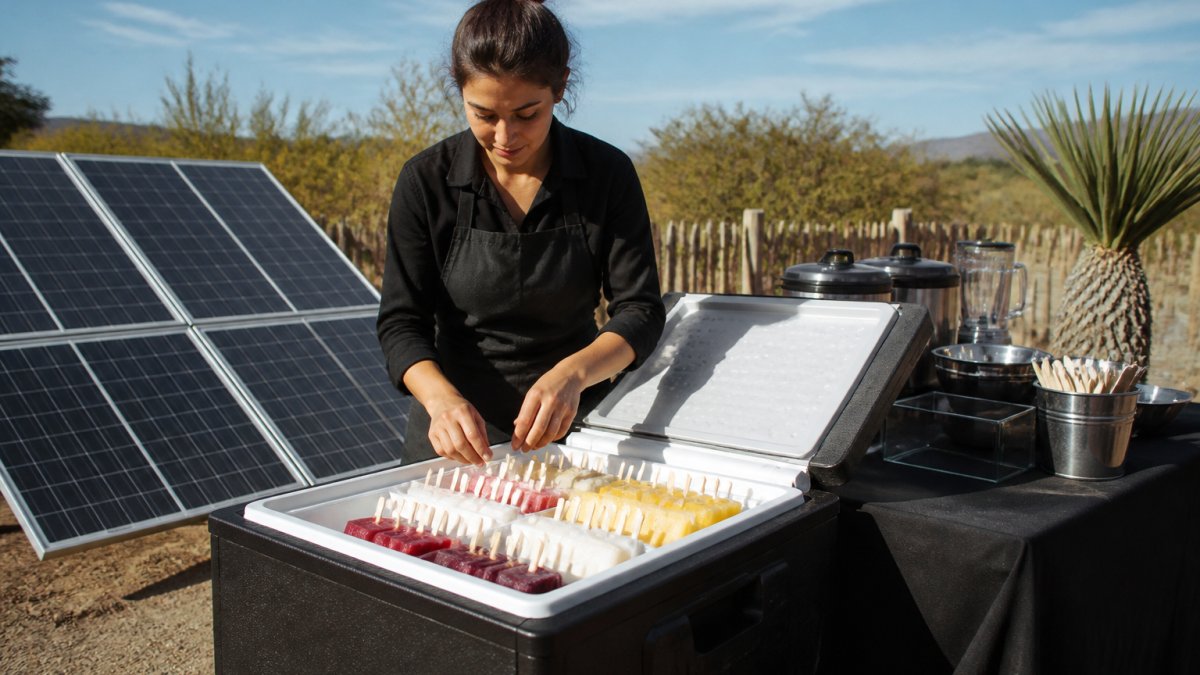
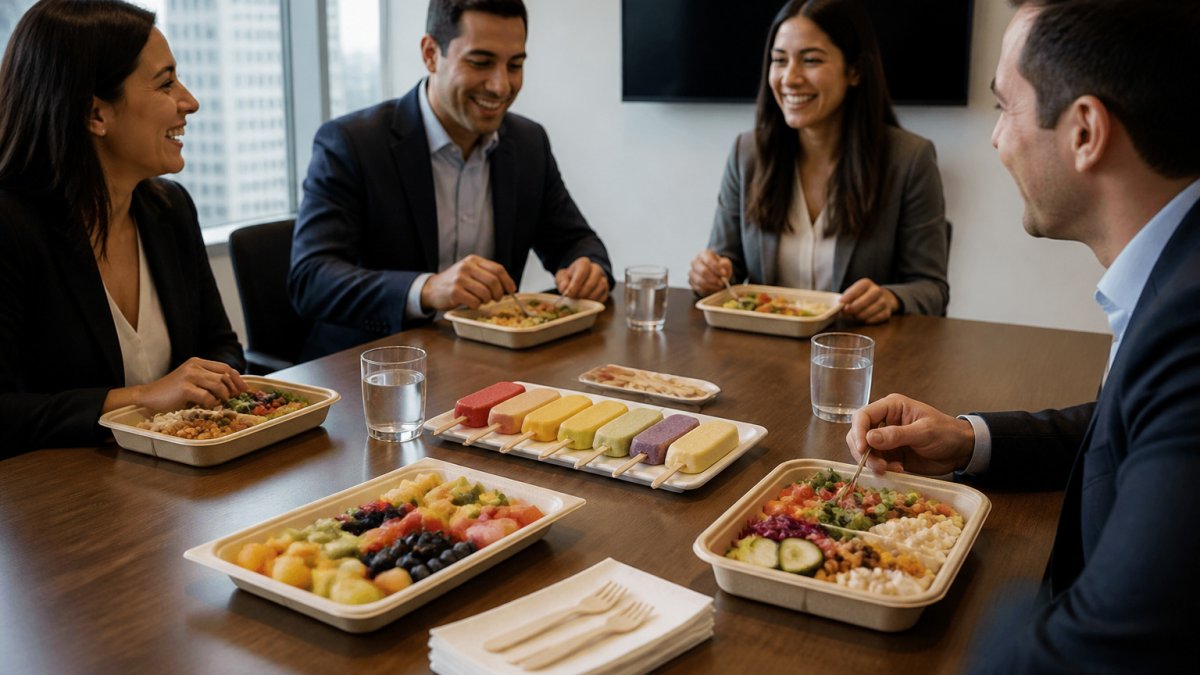
Our vegan paletas arrive in a patented 8-hour frozen signature box that needs no electricity. They add a memorable finish that fits a luxury event or a professional client lunch. We're a minority woman-owned co-op, and every order supports hands-on training for women entrepreneurs. If you're adding a sweet finish, our dessert add-ons for office lunches show the options.
Frequently Asked Questions
What should a vegan boxed lunch include?
A filling vegan boxed lunch pairs a protein source with a grain, vegetables, and something fresh. Build it around chickpeas, lentils, or marinated tofu, add a grain bowl base or a wrap, and include roasted vegetables such as fennel and red peppers. A sauce on the side, like chimichurri, keeps textures intact during holding. Add fruit or a small dessert so the box feels complete. The goal is a lunch that stays satisfying when it is eaten two or three hours after plating.
How many vegan boxed lunches should you order for a conference?
Order to your registered dietary count plus a small buffer. Collect dietary preferences during registration so you know how many vegan boxed lunches are needed before you finalize the count, then add roughly 5 percent extra for walk-ins and last-minute changes. Confirm the final number with your caterer within their stated deadline. Over-ordering heavily wastes food and budget; under-ordering leaves vegan attendees with nothing, which is the more visible failure at a corporate event.
How do you keep vegan boxed lunches fresh during an all-day event?
Hold cold items cold and discard any perishable food that has been left out too long. Keep boxes in insulated containers until service, set out only what the current session needs, and restock from cold storage rather than stacking every box on a table at 9 a.m. Label each box with its contents and assembly time. For dessert, choose a format that does not need electricity, such as a frozen paleta packed in an insulated box.
How should vegan meals be labeled at a catered event?
Label every box with the meal type and the full ingredient list, and flag the major allergens, including tree nuts, peanuts, wheat, and soy. Use distinct label colors or symbols so vegan boxes are easy to identify without opening them. Keep a separate serving area or clearly marked section for vegan boxes to reduce cross-contact. Ask your caterer how they prevent shared utensils and surfaces from touching animal products before the event.
Feeding a full conference day without power, coolers, or a melting mess is the real challenge. Pepito's Paletas makes it simple with made-to-order vegan paletas, our patented 8-hour frozen signature box, and delivery built for events. Get started with Pepito's Paletas and give your attendees a dessert they'll remember.