 comparison
Best Insulated Containers for Frozen Desserts
Last Updated: October 27, 2026
Quick Summary
The best insulated containers for frozen desserts match wall construction, lid seal, and capacity to the job: vacuum jars for single servings, double walls for short trips, and engineered event boxes for multi-hour service. Airtight seals with silicone gaskets beat snap-on lids, and pre-chilling any container in the freezer before loading protects texture.
- Vacuum insulation gives the best thermal insulation per centimeter, though it costs more and can fail if the seal is damaged.
- Pre-chill the Thermos jar in the freezer for at least an hour before loading dessert.
- Fill containers to within half an inch of the lid to minimize headspace and freezer burn.
- Belinlen's 40-count 16-ounce containers are freezer storage and portioning containers, not transport containers.
- Pack coolers full and fill gaps with frozen gel packs, since an empty cooler warms faster.
Table of Contents
- What Separates Real Insulated Containers from Coolers That Fail
- Top Insulated Containers for Frozen Desserts Compared
- Choosing Ice Cream Storage Containers for Home Freezers
- How to Transport Ice Cream Without Melting or Refreezing
- Insulated Shipping Containers for Cold Food: What Delivery Requires
- Picking an Ice Cream Cooler for Events and Catering
- Get a Quote for Electricity-Free Frozen Dessert Catering
- Frequently Asked Questions
What Separates Real Insulated Containers from Coolers That Fail
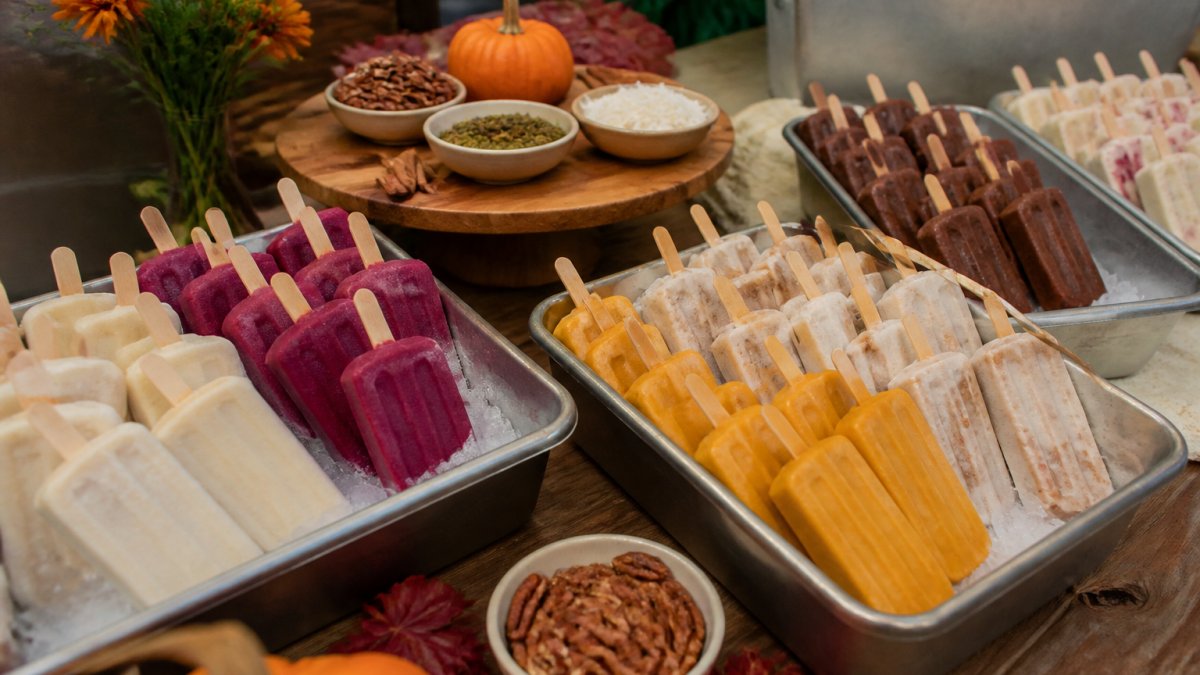
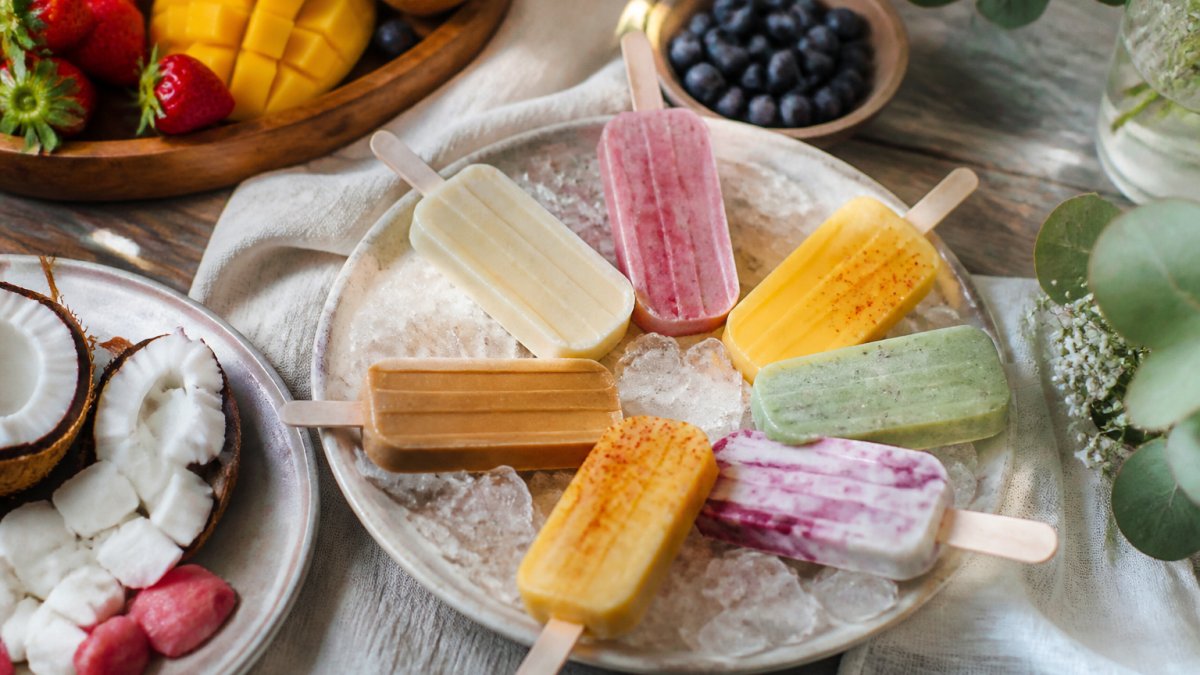
The best insulated containers for frozen desserts hold temperature through wall construction, lid seal, and capacity match to the job. You can browse our vessels and equipment to see what's available. At Pepito's Paletas, we deliver made-to-order vegan paletas in a patented 8-hour frozen signature box.
Insulation Types: Foam, Vacuum Panels, and Double Walls
Insulation falls into three families, each trading off differently between cost, weight, and cold retention. Foam traps air in a dense cellular structure, making it cheap and effective but bulky. Vacuum-insulated panels remove air entirely, giving the best thermal insulation per centimeter, though they cost more and can lose performance if the vacuum seal is damaged. Double-wall construction, common in food-grade plastic and stainless steel, creates an air gap between two shells that slows heat transfer without foam's bulk.
Seals, Lids, and Why Airtight Beats Tight
A tight lid stays on; an airtight seal blocks the moisture exchange that causes freezer burn and ice crystals on frozen dessert surfaces. Silicone gaskets and screw-on lids with a rubber ring outperform snap-on lids beyond short-term storage. A lid that feels secure can still let warm, humid air in every time it is opened, which is why single-serving containers protect texture better than one large tub that gets reopened repeatedly.
Top Insulated Containers for Frozen Desserts Compared
| Container | Capacity | Insulation | Closure | Best For | Listed Price |
|---|---|---|---|---|---|
| Pepito's Paletas signature box | Event-scale | Patented 8-hour frozen box | Engineered lid | Catered events, offices, parties | Quote-based |
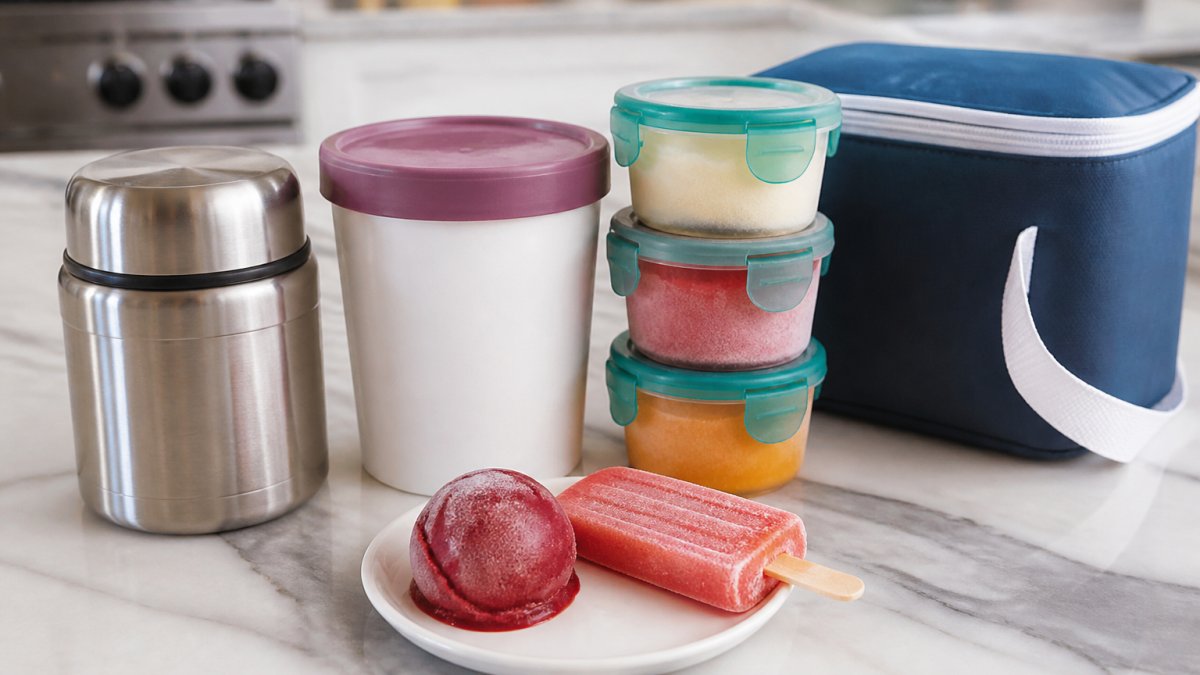
| Thermos Vacuum Insulated Food Jar | 16 oz | Vacuum | Screw-on with gasket | Single portions, commuting | From $16.97 |
| BALCI Premium Ice Cream Container | Not verified | Insulation-focused | Not verified | Home freezer storage | Not listed |
| Belinlen Frozen Dessert Containers | 16 oz, 40-count | Not verified (treat as storage, not transport) | Snap-on lid | Batch portioning | Not listed |
| Iced Out Cooler by Cool Gear | Not verified | Lightweight cooler | Zippered or snap lid | Casual transport | Not listed |
Thermos Vacuum Insulated Food Jar, 16 Ounce
The Thermos jar is the strongest pick for one person's dessert on the go. Vacuum insulation is the most effective thermal barrier in this size class, and the 16-ounce capacity suits a generous single serving of ice cream, gelato, or sorbet. The included folding spoon matters when you are eating away from a kitchen, and the listing starts at $16.97 at retail.
BALCI Premium Ice Cream Container
BALCI markets this as a reusable ice cream container built around insulation, which is why it belongs here: most reusable tubs are designed for dry goods, not frozen dessert. It suits home freezer storage where you want a dedicated container rather than the original carton. What most reviews miss is that "insulated" tells you nothing about duration; the supplied listings do not verify capacity, materials, or hold time, and no price is shown.
Belinlen 40-Count Frozen Dessert Containers
Belinlen sells 16-ounce frozen dessert containers in a 40-count pack, making it the practical choice for portioning homemade ice cream or paletas into single servings. Individual containers mean you open only what you serve, which limits ice crystal formation on the rest. The catch: the listing does not establish that these are insulated at all. Treat them as freezer storage and portioning containers, not transport containers, and pair them with an insulated carrier for delivery.
Iced Out Ice Cream Cooler by Cool Gear
Cool Gear's Iced Out cooler is purpose-named for ice cream and described as lightweight, which helps on picnics and casual outings; the supplied result reports a 4.5/5 rating. Lightweight construction usually means thinner insulation, so do not assume all-day performance. Capacity and hold time are not specified, and there is no official product page in the supplied results. For a short trip to the park, it works; for a catered event, look elsewhere. If you test one, pack it full and fill gaps with frozen gel packs rather than leaving headspace, since an empty cooler warms faster. Maintaining a consistent temperature remains the primary challenge when transporting delicate desserts for outings, so selecting the right treat is just as important as choosing the right container.
How to Compare Cold Retention Without a Lab
You do not need instruments to compare these containers fairly. Run the same dessert, starting temperature, and ambient conditions for each, and record the time to softening. A common pattern is that vacuum jars hold firm roughly twice as long as thin double-wall tubs in a warm room, while foam-lined carriers beat both on capacity but lose on packed size.
Choosing Ice Cream Storage Containers for Home Freezers
Home freezer storage is a different problem from transport: the container sits in steady cold, so insulation barely matters and moisture control matters enormously. The enemy is moisture migration. Every time the freezer door or the tub opens, warm humid air enters, condenses on the cold dessert surface, and refreezes as ice crystals, producing a grainy crust and dulled flavor over a few cycles.
Headspace, Surface Area, and Freezer Burn
Freezer burn is dehydration, not spoilage: the dessert surface is exposed to dry freezer air and loses moisture. Two levers control it: how much air touches the dessert, and how often that air is exchanged. Fill containers to within half an inch of the lid to minimize headspace, and favor tall, narrow pints over wide, shallow tubs once both are partly eaten.
Portioning by Dessert Format
Match container size to how the dessert is served, not how it was bought. Single-serve 16-ounce containers suit individual portions and mean you open only what you eat; pint and quart sizes work for a household that finishes a tub in a few sittings. Bulk sizes only make sense if you scoop the whole thing at once for a crowd, since repeated opening ruins texture.
Material Trade-Offs for Cold Use
Glass resists odors and stains and does not warp, but it can crack when a frozen container meets sudden heat, and it is heavy. Food-grade plastic and polypropylene are lighter and cheaper and tolerate freezer temperatures well, though they can retain strong odors. Silicone lids and gaskets improve the seal on rigid tubs and stay flexible where some rigid plastics become brittle.
Stackability and Storage Efficiency
Freezer space is fixed, so container shape matters as much as seal quality. Square and rectangular containers waste less space than round ones and stack more stably; look for lids with a recessed top that nests into the base above. Keep frequently used desserts at eye level, bulk stock below, and label with dates so older portions get eaten first.
Cleaning and Dishwasher Compatibility
Check dishwasher compatibility before you commit to a set. Many insulated tubs and gasketed lids are hand-wash only, and dishwasher heat can warp lids and degrade gaskets, quietly destroying the seal. Glass and most rigid polypropylene are usually top-rack safe. Remove and wash silicone gaskets separately if the design allows, since residue trapped under a gasket is a common odor source.
How to Transport Ice Cream Without Melting or Refreezing
Transport is where frozen desserts are won or lost. The goal is not just keeping ice cream cold; it is preventing the partial thaw and refreeze that creates ice crystals and a grainy texture. Pre-chill your insulated container in the freezer, pack desserts tight since empty air space warms faster, keep the lid closed until serving, and carry the container in the passenger cabin rather than a hot trunk. For a full walkthrough, our guide on how to keep frozen desserts cold outdoors covers the seven-step method we use.
Insulated Shipping Containers for Cold Food: What Delivery Requires
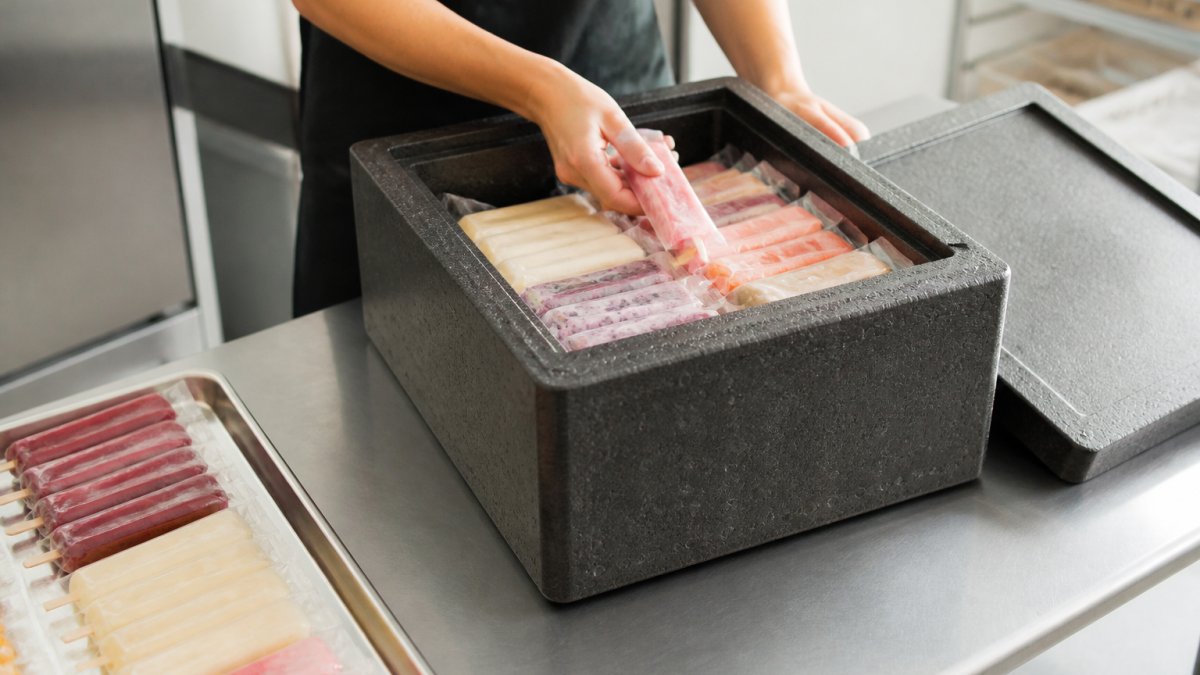
Delivery raises the bar because you cannot control the handoffs. Insulated shipping containers for cold food typically combine a rigid outer box, an insulated liner, and a refrigerant pack, forming a short cold chain from kitchen to doorstep. Foam and vacuum-insulated panels are the two common liner materials; foam is cheaper and more forgiving of rough handling, while vacuum panels save space.
Picking an Ice Cream Cooler for Events and Catering
Event catering adds constraints home use does not: volume, presentation, and often no power source. An ice cream cooler for events needs enough capacity for the guest count, a lid that survives repeated opening, and insulation rated for the full service window, not just the drive. Electricity-free service removes the freezer backup entirely, so the container's cold retention is the only thing standing between guests and soft dessert.
Get a Quote for Electricity-Free Frozen Dessert Catering
Catering frozen dessert without electricity is a logistics decision before it is a menu decision. Our planning guide for electricity-free catering walks through venue constraints and timing, and our guide on how to get a paleta catering quote explains what to have ready before you reach out. When you are set, request frozen dessert catering for your event.
Frequently Asked Questions
How long can frozen desserts stay in an insulated container?
It depends on the container type and how full it is. Vacuum-insulated jars and thick foam-lined coolers hold frozen desserts longest, while thin double-wall tubs hold cold for a shorter window. Pre-chilling the container in the freezer for at least an hour before loading, packing desserts tight with minimal air space, and keeping the lid closed all extend hold time. For events, ask the caterer for a verified hold-time specification rather than assuming a container will last a set number of hours.
How do you transport frozen desserts without them melting?
Freeze desserts solid at least 24 hours ahead, chill the container first, and fill any gaps with frozen gel packs or crumpled freezer paper so there is little air to warm the contents. Keep the container out of direct sun and in the shade or a passenger footwell, never a hot trunk. Skip opening the lid to check. For larger events, a caterer using a purpose-built insulated delivery box removes the guesswork entirely.
Which container is best for ice cream at a catered event?
For corporate events and weddings, Pepito's Paletas offers a patented 8-hour frozen signature box for electricity-free catering.
What should I look for in insulated shipping containers for cold food?
Check the insulation type (foam, vacuum-insulated panels, or double walls), the seal quality, and whether the container is rated for the transit time you need. Food-contact materials should be food-grade plastic, silicone, or stainless steel, and BPA-free where relevant. For repeated use, prioritize crack resistance and dishwasher-safe parts. Ask for a documented hold time rather than a general claim, since frozen dessert quality depends on staying below freezing for the full delivery window.
The hardest part of frozen dessert catering is not the dessert; it is guaranteeing it arrives firm, elegant, and ready to serve without a freezer on site. Pepito's Paletas solves that with a patented 8-hour frozen signature box, made-to-order vegan paletas built on traditional Mexican recipes, and a minority woman-owned co-op model that shares profits among its members. Get started with Pepito's Paletas and serve dessert that holds its quality from delivery to last bite.