 how-to
Electricity Free Catering for Events: A Planning Guide
Table of Contents
- What Electricity Free Catering Means for Your Event
- Catering Without Refrigeration: Keeping Food Safe
- Menu Planning for Power-Free Events
- Frozen Dessert Catering for Events Without Power
- Event Catering Cost Per Person for Electricity-Free Service
- Step-by-Step Planning Checklist for Off-Grid Catering
- Sustainable and Eco-Friendly Catering Practices
- Frequently Asked Questions
Last Updated: October 21, 2026
What Electricity Free Catering Means for Your Event
Electricity free catering means serving food and beverages without relying on plugs, outlets, or power sources. This approach works well for outdoor weddings, off-grid venues, and events where traditional refrigeration isn't available.
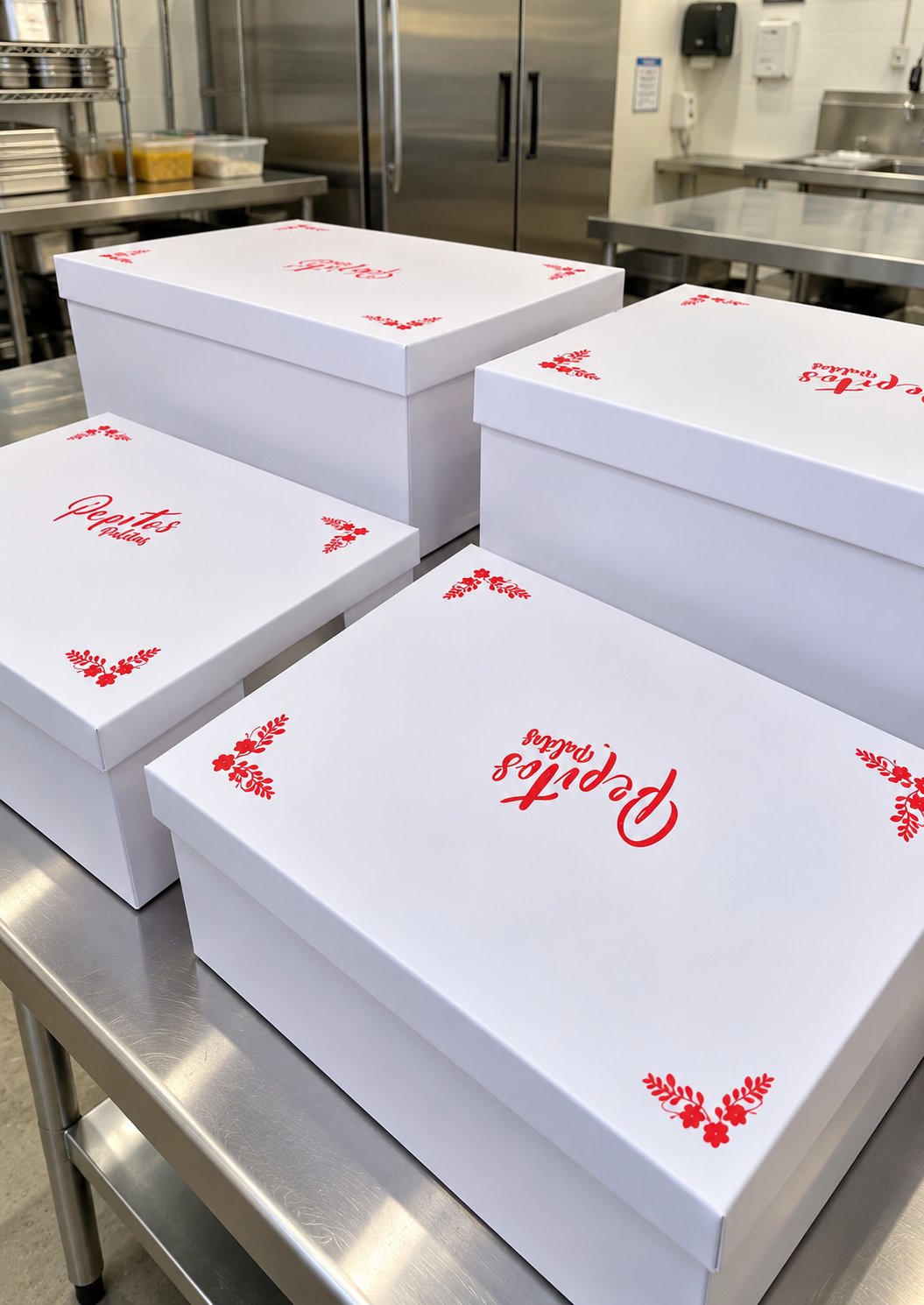
At Pepito's Paletas, we've specialized in electricity-free dessert catering for luxury events across the Bay Area. Our patented 8-hour frozen signature box keeps gourmet vegan paletas perfectly chilled without electricity or bulky coolers.
The key challenge isn't the concept, it's execution. You need to understand food safety without refrigeration, plan menus that hold up in warm conditions, and coordinate timing so items arrive fresh.
Electricity-free catering works best when you plan ahead.
Catering Without Refrigeration: Keeping Food Safe
Food safety without electricity requires understanding how temperature affects bacteria growth. The danger zone for food sits between 40°F and 140°F, bacteria multiply rapidly in this range. Your job is keeping food either below 40°F or above 140°F throughout service.
Temperature Control Without Power
Cold foods need insulation and ice packs to stay below 40°F. Hot foods need insulated containers and heat sources to stay above 140°F. Most electricity-free catering relies on cold service because keeping hot foods warm without electricity is harder.
Insulated boxes work by trapping cold air. Quality matters here, thick walls and tight seals make the difference between food staying safe for three hours versus eight hours.
Frozen items offer an advantage. Ice cream, popsicles, and frozen desserts start colder than regular cold foods. They melt slowly, which means they stay safe longer. A frozen popsicle at 0°F takes hours to reach the danger zone.
Ice packs and dry ice extend cold duration. Ice packs stay effective for 4-6 hours in a well-insulated box. Dry ice lasts longer but requires careful handling, it's extremely cold and can burn skin.
Food Safety Standards and Guidelines
The FDA provides food safety guidelines that apply to all catering, whether powered or not. Cold foods must stay at 40°F or below. Hot foods must stay at 140°F or above. These aren't suggestions, they're federal standards that prevent foodborne illness.
Time limits matter too. Cold food can sit safely at room temperature for no more than two hours. Once that window closes, the food enters the danger zone and bacteria multiply. If the room temperature exceeds 90°F, that window shrinks to one hour (the FDA).
Your catering provider should know these rules and follow them strictly. Ask about their food safety training and certifications. Reputable providers carry liability insurance and understand temperature monitoring. This protects both your guests and your event.
Menu Planning for Power-Free Events
Smart menu planning makes electricity-free catering easier. Choose foods that travel well, taste good cold, and don't require last-minute heating. This means rethinking traditional hot catering menus.
Cold Foods That Travel Well
Salads, sandwiches, charcuterie boards, and grain bowls work well for electricity-free events. These items taste good cold, hold up during transport, and don't require reheating.
Proteins that work cold include grilled chicken, smoked salmon, cured meats, and hard cheeses. Cook them ahead, chill completely, and they'll stay safe in an insulated box. Avoid mayonnaise-heavy dishes like potato salad, which can spoil quickly without refrigeration.
Fruit and vegetables are natural choices. They're naturally cool, don't require cooking, and add color and freshness to platters. Berries, melons, grapes, and citrus hold up well.
Bread, crackers, and pastries don't need refrigeration. Pair them with cold proteins and cheeses for a satisfying spread. Avoid fillings that require cold storage, stick to dry ingredients or items that taste good at room temperature.
Vegan Wedding Desserts and Frozen Options
Vegan desserts work beautifully for electricity-free catering, especially frozen options. Plant-based ice creams, sorbets, and frozen fruit bars stay frozen just as long as dairy versions. They're naturally elegant and appeal to guests with dietary restrictions.
Frozen vegan desserts have an advantage: they're inherently shelf-stable during transport. Unlike hot desserts that need careful timing, frozen treats maintain quality in a well-insulated box for hours. This simplicity makes them ideal for off-grid events.
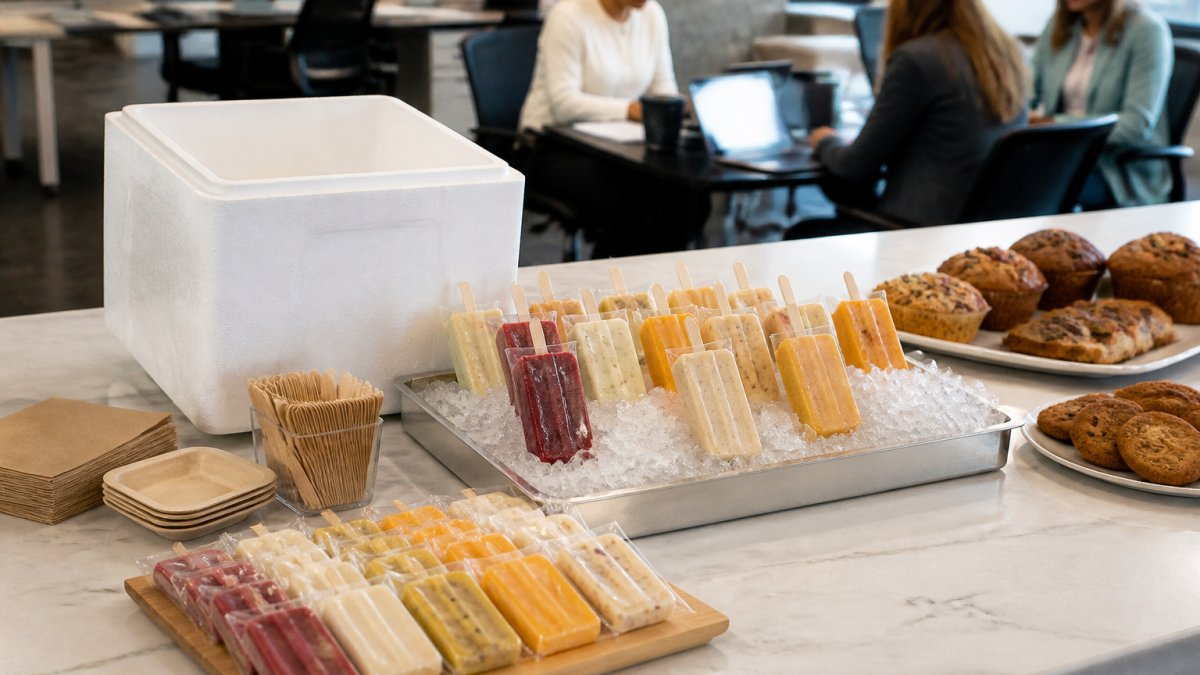
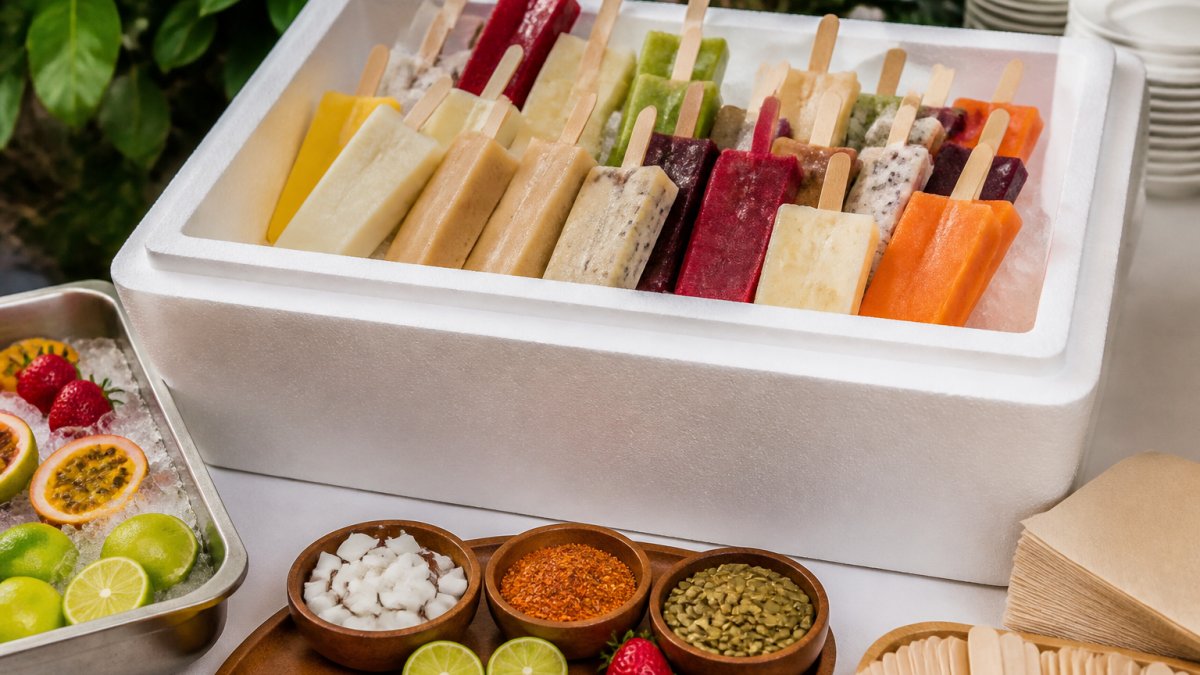
Gourmet vegan paletas, handcrafted frozen bars made with real fruit and plant-based ingredients, offer a premium option. They're individual servings, so guests get a complete dessert without plating or serving. They photograph beautifully and feel like a luxury touch.
Non-frozen vegan desserts require more care. Vegan cakes and pastries can dry out during transport.
Frozen Dessert Catering for Events Without Power
Frozen desserts are the star of electricity-free catering. They solve the temperature problem elegantly and feel indulgent to guests.
Portable Freezing Technology and Insulated Boxes
The right insulated box is everything. Standard coolers work, but they're bulky and don't maintain temperature as well as specialized catering boxes. Premium insulated containers use thick foam, reflective linings, and tight seals to keep contents frozen for extended periods.
Pepito's Paletas uses a patented 8-hour frozen signature box designed specifically for this challenge. The box maintains proper temperature for the full service window without electricity or dry ice.
Insulated boxes come in different sizes. Choose based on your guest count and dessert quantity. A box holding 50 paletas takes up less space than a cooler full of ice packs and individual items. This efficiency matters for events with limited table space.
Gel packs and ice packs provide backup cooling. Even with a premium insulated box, adding cold sources extends the safe window.
Timing and Delivery Logistics
Timing is critical for frozen dessert catering. The dessert should arrive as close to service time as possible. If it arrives too early, it sits in the box and starts melting. If it arrives too late, you're stressed and guests are waiting.
Coordinate with your catering provider on a delivery window. Specify the exact time you want the dessert to arrive and the time you'll begin serving. Most professional catering services can hit a 30-minute window reliably.
Temperature checks matter. Ask your provider to confirm the dessert temperature upon arrival. It should be solidly frozen, not soft or partially melted. A quick thermometer check takes 30 seconds and gives you peace of mind.
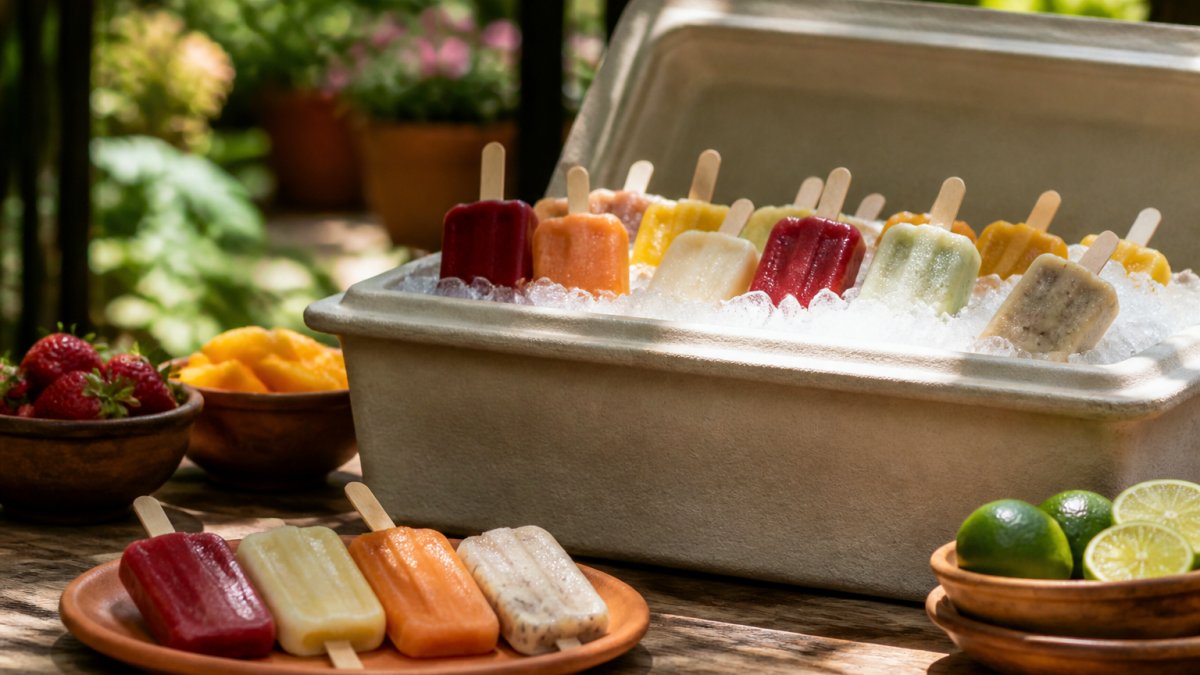
Storage during service depends on your event setup. If you have a shaded table with good airflow, the insulated box can sit open with desserts accessible.
Event Catering Cost Per Person for Electricity-Free Service
Pricing for electricity-free catering varies based on several factors. The type of food, quantity, delivery distance, and service level all affect cost per person.
Frozen dessert catering typically costs less than full meal catering because desserts are simpler to prepare and transport. Cold food catering falls in the middle.
Delivery fees depend on distance and location. Events in urban areas usually have lower delivery costs than remote venues. Some providers include delivery in their per-person price, while others charge separately. Ask about this upfront.
Setup and service staffing add to the total cost. If you want staff to plate desserts, manage the serving line, or handle cleanup, expect higher pricing.
For current pricing and a customized quote for your event, contact Pepito's Paletas directly. We provide transparent pricing based on your specific needs, guest count, and event details.
Step-by-Step Planning Checklist for Off-Grid Catering
Planning electricity-free catering requires attention to detail. Use this checklist to stay organized from booking through service.
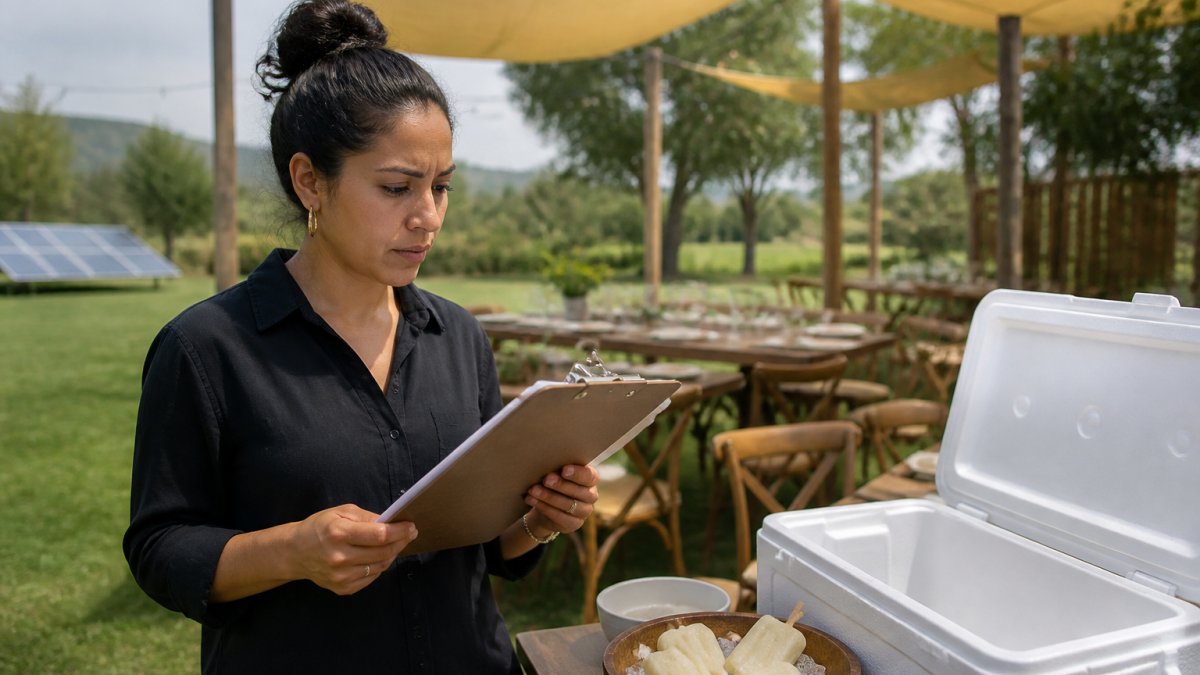
Pre-Event Assessment and Venue Walkthrough
Start by understanding your venue. Visit in person if possible, or get detailed photos and measurements. Note the location of tables, shade structures, and guest flow patterns. Understanding your space helps you plan where to position the catering setup.
Check the weather forecast. Temperature, humidity, and sun exposure all affect how quickly frozen items melt. An outdoor event in July requires different planning than a spring gathering. Plan your timing around the hottest part of the day.
Confirm guest count and dietary needs. Ask your event planner or send a RSVP form that captures vegetarian, vegan, gluten-free, nut allergy, and other dietary requirements. This information shapes your menu decisions.
Identify power sources if available. Even if you're planning electricity-free catering, knowing where outlets are located helps with backup options. Some venues have generators or temporary power available.
Menu Finalization and Dietary Accommodations
Choose your menu based on venue conditions and guest preferences. Cold foods work best for most electricity-free events. Frozen desserts should be your primary dessert option.
Plan for dietary accommodations. Vegan options, gluten-free choices, and nut-free items should be available. Clearly label foods so guests know what's safe for their dietary needs.
Confirm quantities with your catering provider. Provide accurate guest counts and ask about portion sizes. Most catering providers recommend 1-2 desserts per person, depending on what else is served.
Discuss timing and temperature requirements. Make sure your provider understands your event schedule and can deliver when you need service to begin.
Delivery, Setup, and Service Timing
Create a detailed timeline. Work backward from your desired dessert service time. If you want to serve at 7 PM, when does the dessert need to arrive? Usually 15-30 minutes before.
Confirm delivery address and parking. Provide specific directions and let your catering provider know about any access restrictions. Clear parking and easy access speed up delivery.
Assign someone to receive the delivery. This person should be available at the scheduled time and know what to expect. They should check that items are frozen and undamaged upon arrival.
Set up your serving station. Arrange tables, plates, utensils, and napkins before the dessert arrives.
Monitor temperature during service. If your event is long, check that frozen items are staying properly chilled. Keep the insulated box closed between service intervals to maintain temperature.
Sustainable and Eco-Friendly Catering Practices
Electricity-free catering is inherently more sustainable than traditional powered catering. You're eliminating energy consumption and often reducing waste.
Choosing a minority woman-owned business like Pepito's Paletas adds another sustainability dimension. We're committed to reducing our environmental footprint while helping women entrepreneurs.
Ask your catering provider about packaging. Compostable containers and minimal single-use plastics reduce landfill waste. Some providers use reusable boxes that they pick up after your event.
Local sourcing matters. Catering providers who source ingredients locally reduce transportation emissions. This supports local farmers and reduces your event's carbon footprint.
Plan your portions carefully. Overordering creates waste. Work with your provider to estimate quantities accurately based on your guest count and event length.
Consider your guest experience too. Electricity-free catering often feels more intentional and special. Guests appreciate the sustainability angle and the creativity of working within these constraints.
Planning electricity-free catering for your event opens doors to elegant, sustainable options that traditional powered catering can't match. Get a quote from Pepito's Paletas today and discover how electricity-free catering can elevate your next event.
Frequently Asked Questions
What does electricity-free catering mean?
Electricity-free catering delivers food and beverages to your event without requiring on-site power access. This approach uses insulated containers, ice packs, and specialized portable equipment to maintain safe temperatures. It's ideal for outdoor venues, parks, and locations where power hookups are unavailable or impractical. Frozen dessert catering options, like gourmet paletas, are particularly well-suited to this model because they naturally stay cold during transport and service.
How can caterers keep food at safe temperatures without refrigeration?
Caterers use several methods: insulated coolers with ice packs, dry ice for extended cooling, and specialized thermal containers designed to maintain cold-chain integrity for 6-8 hours or longer. The USDA requires hot foods to stay above 140°F and cold foods below 40°F. Portable equipment like high-performance insulated boxes can achieve this without electricity. Pre-chilling containers and food before delivery, plus minimal opening during service, extends the safe temperature window significantly.
What is the typical event catering cost per person for electricity-free service?
Pricing depends on quantity, menu complexity, delivery distance, and service staffing. Frozen dessert catering typically costs less per person than full meal service because it requires no heating equipment or extensive prep on-site. For accurate pricing on electricity-free catering for your specific event size and menu, contact your catering provider directly for a quote. Many providers offer tiered pricing based on guest count and delivery location.
Can vegan wedding desserts work for electricity-free catering?
Yes. Vegan wedding desserts, especially frozen options like dairy-free paletas, are excellent choices for electricity-free events. They require no on-site preparation, stay frozen naturally without power, and eliminate concerns about dairy spoilage. Plant-based frozen treats align well with sustainable catering practices and accommodate guests with dietary restrictions. They also offer an elegant, memorable alternative to traditional desserts while maintaining food safety standards throughout service.